
Is My Local Pest Control Company Charging a FAIR Price?
Below are some of the types of services generally offered, with
some potential price ranges. Beware of lowball offers and of pricey options. This
short guide will help you understand the types of services, and
technologies/science to meet your pest control needs.
Prices vary by region, home size, pest type, severity. But
here are realistic ranges many homeowners see. We offer FREE quotes for your
SPECIFIC needs, with up-front pricing and honest assessments.
FOR A FREE QUOTE click HERE
General pest control (ants, spiders, occasional invaders)
- One
time service: often $150 to $350 - Quarterly
plan: often $100 to $200 per visit (sometimes billed monthly) - Initial
visit on a plan: can be higher if it includes a deep treatment
If a general pest service is $49, it is usually a "get
in the door" price that turns into something else.
Roaches
This depends heavily on species and severity.
- American
roaches (palmetto bugs): often treated as general pest, sometimes a
little higher - German
roaches: more intensive. Multiple visits, baiting, growth regulators,
sanitation coaching.
German roach work can range from $250 to $900+
depending on infestation level and number of units (apartments can be
complicated, because neighbors matter).
Rodents (mice, rats)
Rodents are where people get burned, honestly.
You want two parts:
- Removal
and monitoring (traps, follow ups) - Exclusion
(sealing entry points)
Ranges:
- Trap
and remove program: $200 to $600+ - Exclusion
work: can be $300 to $2,500+ depending on structure, crawl space,
roofline, attic access, vents, and how many holes exist
If someone quotes rodent work without walking the exterior,
looking at the roofline, and checking the garage door gaps. That is not a real
quote.
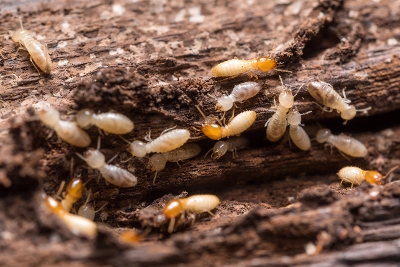
Termites
Termites are not a "spray and pray" situation. You
need a proper inspection and a clear treatment plan.
Typical options:
- Bait
systems: ongoing monitoring, usually an annual cost after installation - Liquid
soil treatments: often a bigger one time cost, sometimes with renewal
fees
Because termites vary so much by region and construction
type, I won't toss a number that misleads you. But I will say this. You should
always get at least two inspections for termites, and you should receive a
diagram or explanation of where activity was found.
Bed bugs
Bed bug pricing is all over the place because methods vary. Heat
treatments often cost more upfront, chemical programs may require multiple
visits.
If you think you have bed bugs, do not wait. Costs go up
with time. Also, don't let anyone talk you into "fogging." That is
usually a waste.
What to ask on the phone (copy this)
When you call a local company, you do not need to sound like
an expert. You just need to ask a few basic questions that reveal how they
operate.
Here's a simple script:
- "Are
you licensed and insured? Can you share the license number?" - "Do
you do an inspection first, and do you explain what you find?" - "What
does your service include. And what does it not include?" - "Do
you offer one time service, or only recurring plans?" - "If
this doesn't work, what is your follow up policy?" - "Do
you do exclusion work, or do I need a contractor for that?" - "Will
I get a written report or notes of what was treated and where?"
Pay attention to the vibe when you ask. A good company will
answer calmly, like they have done this a thousand times. Because they have.
The "good tech" checklist (what you will notice
on site)
When the tech arrives, here are little signs you are in good
hands.
- They
show up within the window, or they communicate clearly if they are late - They
ask you to show them what you have seen - They
inspect the outside first, not just the kitchen sink - They
open a flashlight, not just a spray can - They
point out entry points and conditions, not just pests - They
talk about pets and kids safety without you asking - They don't
rush. Even if they move fast, you can tell they are actually looking
Also, the best techs are honest in a slightly boring way.
They will say. "This is what I can do today. This is
what needs to change to keep it from coming back." Not dramatic. Not fear
based.
Eco friendly and "low tox" pest control in 2026
(what is real)
A lot of homeowners want safer options now. Totally fair.
But marketing has gotten messy here.
"Eco friendly" can mean:
- Using
baits instead of broad sprays - Spot treating
cracks and crevices, not fogging - Using
exclusion and sanitation as the main strategy - Using
products with lower odor and lower exposure risk when applied correctly
What to ask:
- "Can
you prioritize baits and targeted applications over spraying?" - "Do
you use an IPM approach?" (Integrated Pest Management) - "What
is the active ingredient, and where will it be applied?" - "Is
this treatment safe once dry, and what is the re entry time?"
The real truth is. The safest pest control is usually a mix of
smarter application and better prevention, not just swapping a product.
FOR A FREE QUOTE click HERE